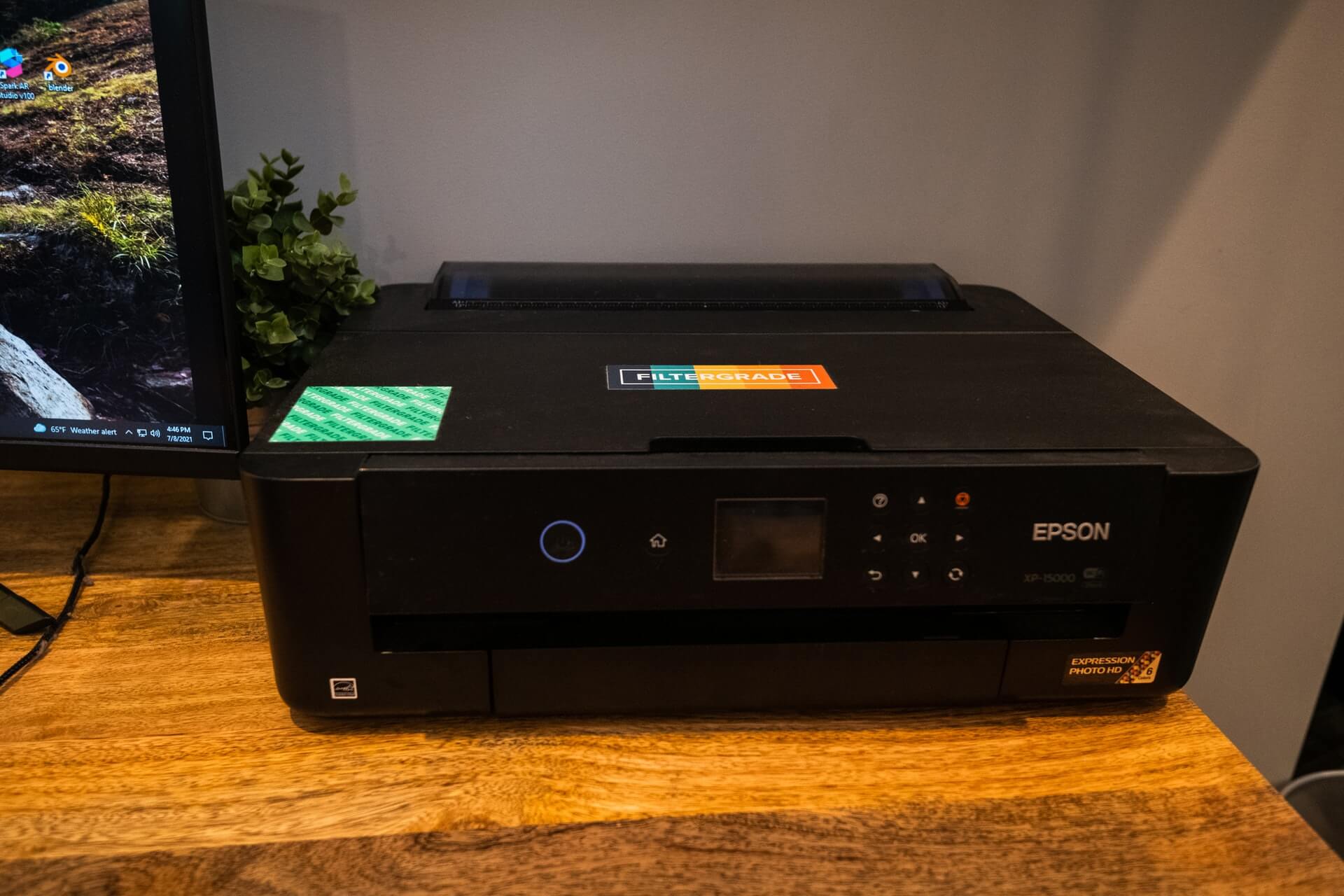
Dga Houston handles printers armed with the highest performance. Printers essential for office workers vary widely in work efficiency depending on their performance. This printer, mixed with blockchain techniques, boasts more than imagined functions.
The latest technologies
It was created by the best engineers who majored in electronics.
Version Up
It has more advanced technology than the previous version.
Cheap Price
The warranty period is long and we kindly consult you.
Safe & stable flights
Lorem ipsum dolor sit amet, consectetur adipisicing elit, sed do eiusmod tempor.
The experts carefully made it
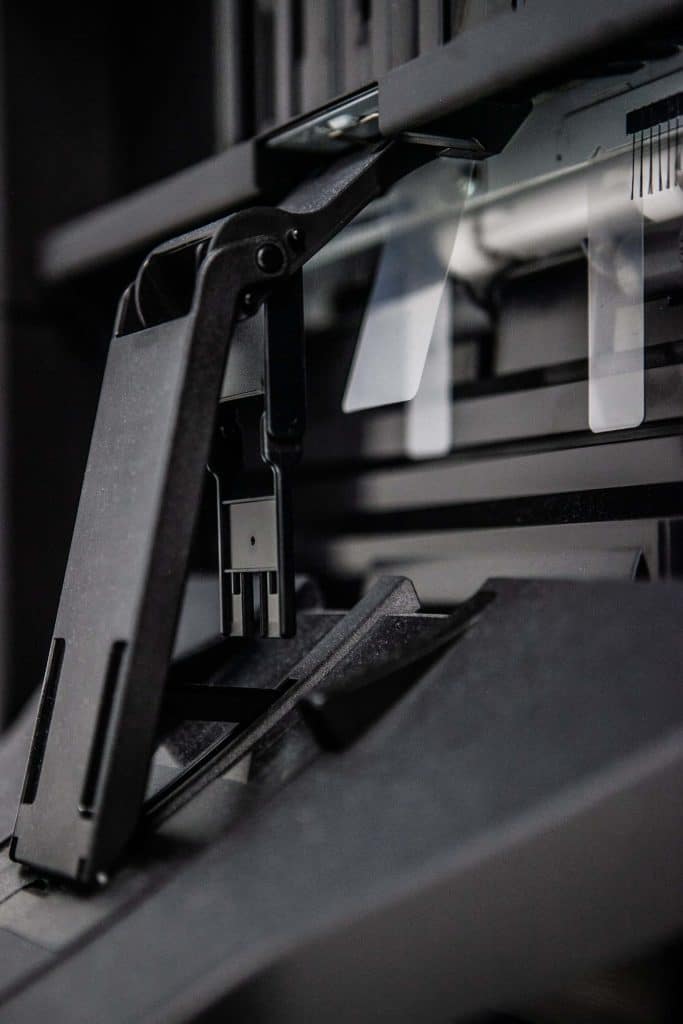
We paid attention to each part and corrected the error with at least 1000 tests. Both black and white and color were tested by experts, and parts were produced in the world’s best factories.
Printing time is very short and blockchain technology is applied, so each print is split into thousands of bits and stored.
Ink with the latest technology
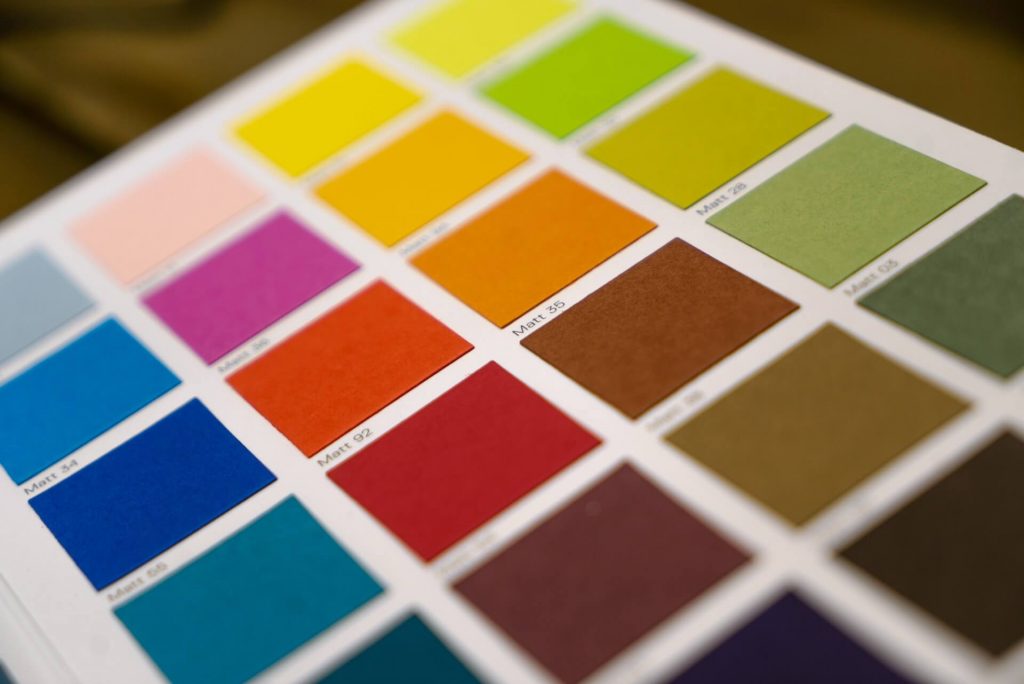
It is a printer that distinguishes all colors in the world. Even the same color is classified and printed in units of 100. Once charged, you can use it for at least a year without any problems. Color information is also stored in a blockchain manner.
Blockchain and printer
It's the first time to apply blockchain technology to a printer
Blockchain technology is the next-generation technology that will lead the future in the future. This makes the stored information transparent to prevent hacking and calls information quickly, so the speed is very fast. Applying this to the printer is our own technology and technology that is ahead of the times.
If you want to know more about blockchain technology, you should access Crypto for Trader and know about cryptocurrency. It’s because it’s the basis of the blockchain. A collaboration between a printer and a blockchain. Now it can be yours.